In This Guide
- Average Water Damage Restoration Costs in Deltona
- Key Factors That Affect Your Total Cost
- Cost Breakdown by Service Type
- Insurance Coverage: What's Covered and What's Not
- How to Save Money on Water Damage Restoration
- Why Deltona Costs May Differ from National Averages
- When to File a Claim vs. Pay Out of Pocket
When water invades your Deltona home, the first thing most homeowners want to know is simple: how much is this going to cost? Whether you're dealing with a burst pipe under the kitchen sink, a toilet overflow that soaked through the bathroom floor, or a full-blown flooding event after a summer thunderstorm, understanding the potential costs helps you make better decisions and avoid overpaying.
This guide breaks down real-world water damage restoration pricing for Deltona, FL in 2026, explains the factors that drive costs up or down, and shares practical strategies for managing insurance claims and keeping expenses under control. Every price range listed here reflects current rates from licensed restoration companies serving the Deltona and Volusia County area.
Average Water Damage Restoration Costs in Deltona
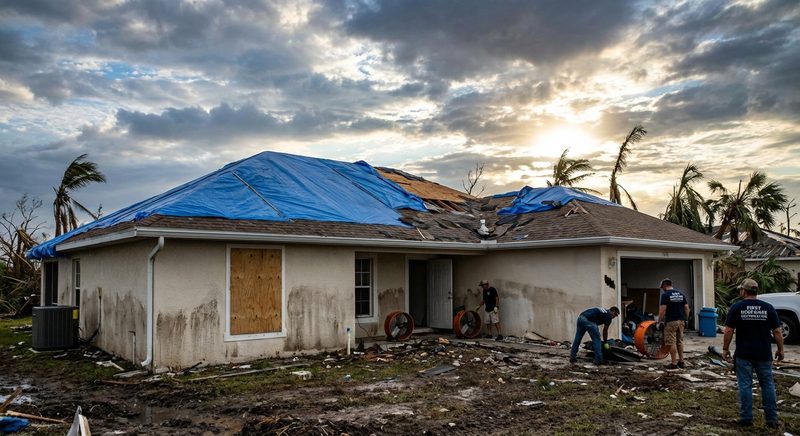
Water damage restoration in Deltona typically costs between $1,200 and $5,500 for a standard residential project. However, that range varies widely depending on the severity and scope of the damage. Here's a general breakdown of what Deltona homeowners can expect:
- Minor water damage (single room, clean water, quick response): $500 - $1,500
- Moderate water damage (multiple rooms, some material removal needed): $1,500 - $5,000
- Severe water damage (large area, contaminated water, structural repairs): $5,000 - $15,000
- Catastrophic water damage (whole-home flooding, mold, full reconstruction): $15,000 - $50,000+
The national average for water damage restoration falls between $1,300 and $5,600, which means Deltona pricing is broadly in line with the rest of the country. However, Florida-specific factors like humidity, construction styles, and the frequency of storm-related water events can push costs toward the higher end of these ranges in many cases.
Key Factors That Affect Your Total Cost
No two water damage situations are identical, and the final price tag depends on several interconnected variables. Understanding these factors gives you a clearer picture of where your project is likely to land on the cost spectrum.
Water Category
The restoration industry classifies water damage into three categories, and each one carries different cost implications:
- Category 1 (Clean Water): Water from a broken supply line, faucet leak, or rainwater that hasn't contacted contaminants. This is the least expensive to remediate because the water itself doesn't require special handling. Typical cost premium: baseline pricing.
- Category 2 (Gray Water): Water containing chemical, biological, or physical contaminants, such as discharge from washing machines, dishwashers, or toilet overflows with urine only. This requires additional sanitization and protective equipment. Typical cost premium: 20-30% above Category 1.
- Category 3 (Black Water): Highly contaminated water from sewage backups, river flooding, or storm surge. Black water requires full personal protective equipment, antimicrobial treatment, and disposal of all porous materials that came into contact with the water. Typical cost premium: 50-100% above Category 1.
An important detail that many homeowners miss: clean water can degrade to gray or black water over time. If you experience a Category 1 event—say a supply line burst—but wait 48 hours before calling for help, that clean water may have become a breeding ground for bacteria, effectively upgrading the damage to Category 2 or 3 and significantly increasing your restoration costs.
Area Affected
Restoration companies typically price their work based on square footage. A small bathroom flood affecting 50 square feet costs far less than a first-floor flood that impacts 800 square feet of living space. The number of rooms, hallways, and closets affected all factor into the final estimate.
Materials Damaged
Hardwood floors, custom cabinetry, and specialty materials cost more to restore or replace than standard carpet and laminate. If water reaches behind walls and saturates insulation, drywall, and framing, the restoration scope expands significantly.
Response Time
This is the single biggest factor that homeowners can control. Calling a restoration company within the first hour—versus waiting a day or two—can reduce total costs by 30-50%. Water continues spreading, soaking deeper into materials, and creating conditions for mold growth every minute it sits. Our emergency water removal service responds within 60 minutes specifically because rapid response saves our customers thousands of dollars.
Cost Breakdown by Service Type
A full water damage restoration project typically involves several distinct services. Understanding what each phase costs helps you evaluate estimates and ask the right questions when comparing contractors.
Water Extraction: $500 - $3,000
Water extraction is the first and most urgent step. Technicians use truck-mounted pumps, submersible pumps, and industrial wet vacuums to remove standing water as quickly as possible. The cost depends on the volume of water and how accessible the affected areas are. A simple living room extraction might cost $500-$800, while extracting water from a flooded basement or crawl space can run $1,500-$3,000 due to the difficulty of access and volume involved.
Structural Drying: $1,000 - $4,000
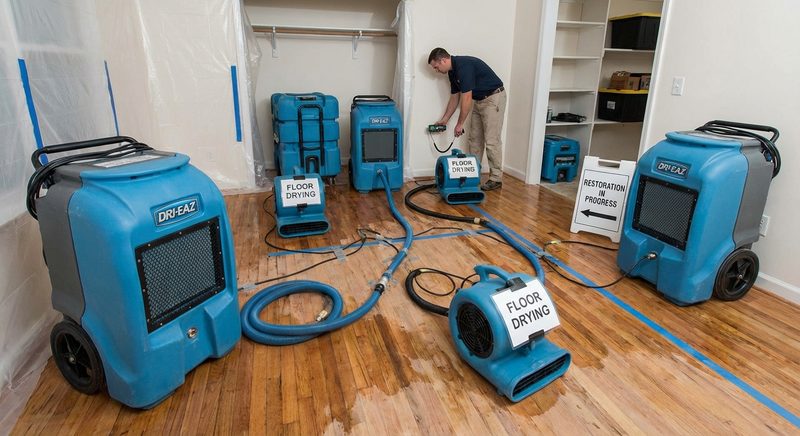
After standing water is removed, significant moisture remains trapped in walls, floors, subfloors, and structural materials. Industrial dehumidifiers, air movers, and specialized drying equipment run continuously—often for three to five days—to bring moisture levels back to acceptable thresholds. In Deltona's humid climate, structural drying often takes longer than in drier regions, which means higher equipment rental and monitoring costs. Technicians take daily moisture readings to ensure progress and adjust equipment placement as needed.
Mold Remediation: $1,500 - $5,000
Florida's warm, humid environment is a breeding ground for mold, and it can begin growing within 24-48 hours of a water event. If mold is discovered during the restoration process—or if the homeowner delayed calling for help—professional mold remediation becomes a necessary part of the project. Costs vary based on the extent of mold growth, the materials affected, and whether containment barriers are needed to prevent spore spread to unaffected areas. A small area of surface mold might cost $1,500, while a large infestation requiring demolition and reconstruction can exceed $5,000.
Reconstruction and Repairs: $2,000 - $10,000+
When water damage destroys drywall, flooring, cabinetry, or other structural elements, those materials must be removed and replaced. Reconstruction costs vary enormously depending on the scope: replacing a section of drywall and repainting might cost $2,000, while rebuilding a kitchen after a catastrophic flood with new cabinets, flooring, and appliances can easily exceed $10,000. Some restoration companies handle reconstruction in-house, which can save the homeowner money compared to hiring a separate general contractor.
Insurance Coverage: What's Covered and What's Not
Understanding your insurance coverage before a water damage event is critical. Florida homeowners often discover gaps in their coverage at the worst possible time.
What Standard Homeowner's Insurance Typically Covers
- Burst or frozen pipes (though frozen pipes are rare in Deltona)
- Sudden appliance malfunctions (washing machine, water heater, dishwasher)
- Accidental overflow from plumbing fixtures
- Wind-driven rain damage from storms (if the wind created the opening)
- Emergency water extraction and drying costs
What Standard Homeowner's Insurance Typically Does NOT Cover
- Flood damage from external water sources (rising rivers, storm surge, heavy rain accumulation)
- Gradual leaks or seepage that developed over time due to neglected maintenance
- Sewer or drain backup (requires a separate endorsement)
- Mold that results from a homeowner's failure to address known moisture issues
- Damage to the source itself (the failed appliance or pipe, though the resulting water damage is covered)
Flood Insurance
Standard homeowner's insurance does not cover flood damage. Period. If your Deltona home is in a FEMA-designated flood zone—and many areas near the St. Johns River floodplain, Lake Monroe, and local retention ponds are—you need a separate flood insurance policy. Even if you're not in a designated flood zone, Florida's unpredictable summer storms can overwhelm drainage systems and cause flooding in areas that rarely experience it. Flood insurance policies are available through the National Flood Insurance Program (NFIP) or private insurers, with premiums ranging from $500 to $3,000+ annually depending on your flood risk.
How to Save Money on Water Damage Restoration
While you can't always control when water damage happens, you can take steps to minimize the financial impact.
Act Fast
The single most effective way to reduce restoration costs is to act immediately. Call a professional flood cleanup company within the first hour. Every hour of delay allows water to spread further, soak deeper into materials, and create conditions for mold growth. A $2,000 restoration that's addressed immediately can easily become a $6,000 project after a 48-hour delay.
Document Everything
Before any cleanup begins, take extensive photos and video of all damage. Document the source of water, the affected areas, and any damaged belongings. This documentation is essential for insurance claims and can mean the difference between full coverage and a denied claim. Write down dates, times, and a narrative of what happened while the details are fresh.
Choose the Right Contractor
Hiring an unqualified contractor often costs more in the long run. Look for companies with IICRC certification (the industry standard for water damage restoration), proper Florida licensing, and liability insurance. Ask for detailed written estimates that break down costs by service type. Be cautious of unusually low bids—they often indicate corners will be cut, which can lead to incomplete drying, hidden mold, and costly problems down the road.
Prevent Future Damage
Invest in preventive measures: install water leak detectors near appliances and water heaters, maintain your roof and gutters, inspect plumbing regularly, and ensure proper drainage around your foundation. A $50 water alarm can save you thousands in restoration costs.
Why Deltona Costs May Differ from National Averages
Several factors unique to Deltona and Central Florida influence water damage restoration costs in ways that homeowners should understand.
High Humidity Extends Drying Times
Deltona's average relative humidity hovers between 70-80% for most of the year, and during summer months it can exceed 90%. This high ambient moisture makes structural drying significantly more challenging. Industrial dehumidifiers must work harder and run longer to bring building materials back to acceptable moisture levels. What might take three days of drying in a dry climate like Arizona can take five to seven days in Deltona, increasing equipment and labor costs accordingly.
Florida Construction Styles
Many Deltona homes are built with concrete block construction, stucco exteriors, and slab-on-grade foundations. While concrete block is more resistant to water than wood framing, it can also trap moisture inside wall cavities in ways that are harder to detect and remediate. Slab-on-grade foundations mean there's no basement or crawl space for water to drain into—instead, it spreads laterally across the entire ground floor. Stucco exteriors can hide moisture intrusion for months before visible damage appears.
Mold Grows Faster in Florida
The combination of warmth and humidity means mold can establish itself in a Deltona home within 24 hours of a water event—faster than in most other parts of the country. This often means mold remediation becomes a necessary part of the restoration project even when it might not be in a cooler, drier climate, adding $1,500-$5,000 to the total cost.
Storm Season Demand
During and after Florida's hurricane season (June through November), demand for restoration services surges. When a major storm or hurricane impacts Volusia County, restoration companies are stretched thin and materials costs can spike. Having an established relationship with a local restoration company before storm season can help ensure timely service and fair pricing when you need it most.
When to File an Insurance Claim vs. Pay Out of Pocket
Deciding whether to file an insurance claim is a financial calculation that depends on several factors.
Consider Paying Out of Pocket When:
- The total restoration cost is less than or near your deductible amount
- The cost is under $2,000 and you can comfortably afford it
- You've filed a claim recently and another claim could trigger a premium increase or non-renewal
- The damage is clearly the result of a maintenance issue that may not be covered
Consider Filing an Insurance Claim When:
- The estimated restoration cost significantly exceeds your deductible
- The damage involves contaminated water (Category 2 or 3)
- Structural repairs are needed
- Mold remediation is required
- You haven't filed a claim in the past three to five years
Florida's insurance market has tightened in recent years, with many carriers raising rates, reducing coverage, or leaving the state entirely. Filing multiple small claims can put your policy at risk. For major losses, though, your insurance is there to protect you—don't hesitate to use it.
Work With Your Restoration Company on Claims
An experienced restoration company in Deltona will have deep familiarity with Florida insurance processes and can help you navigate the claims process. They can provide the documentation your adjuster needs, communicate directly with your insurance company, and ensure that no covered damage is overlooked. This doesn't cost you anything extra and can significantly improve your claim outcome.
If you're facing water damage in your Deltona home right now, don't wait. The cost of delay almost always exceeds the cost of a phone call. Contact a licensed, IICRC-certified restoration company immediately to minimize both damage and expense.
Need Professional Water Damage Restoration in Deltona?
Our IICRC-certified team responds within 60 minutes, 24/7. Get a free estimate today.
Get Free Estimate →